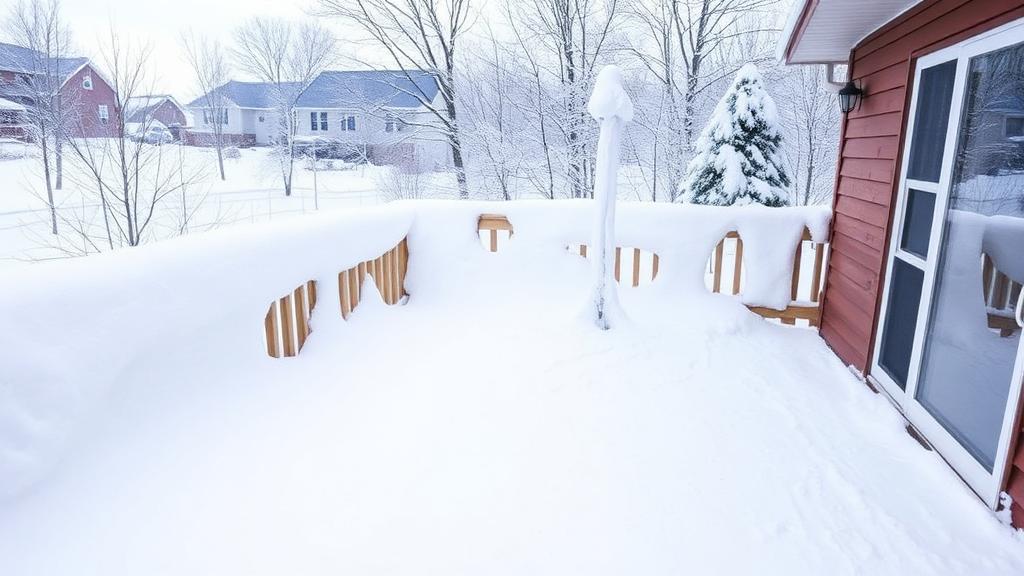
Your deck is exposed to everything Ohio throws at it: lake-effect blizzards, summer humidity, freeze-thaw cycles that would crack concrete. Neglect it, and you'll be rebuilding in a decade. Maintain it, and it'll outlast your mortgage.
The Annual Rhythm
Good deck maintenance follows the seasons. Here's the schedule we recommend to every client:
Spring Awakening (March-April)
After the snow melts, your deck reveals what winter did to it. This is inspection and cleaning season.
The deep clean:
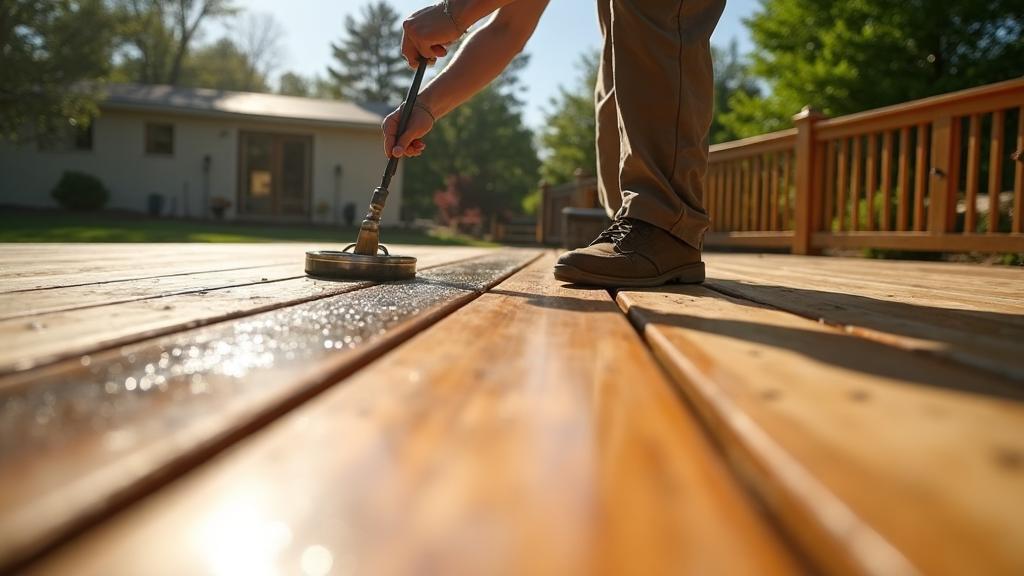
Power washing removes winter grime, mold spores, and embedded dirt. For pressure-treated wood, use 1,500-2,000 PSI. For composite, drop to 1,000-1,500 and maintain a 12-inch distance.
Cost if you hire it out: $150-350 depending on deck size.
The inspection:
Walk every square foot. Push on every railing. Look for:
Summer Treatment (May-June)
For pressure-treated wood decks older than one year, this is sealing season.
The wood needs to be dry. no rain for 48 hours prior, none forecast for 24 hours after. Temperature between 50-90°F. Early morning application avoids the midday sun that can cause rapid drying and poor penetration.
Product options:
| Type | Protection Level | Reapplication | Cost |
|---|---|---|---|
| Clear water repellent | Basic | Annual | $75-150 |
| Semi-transparent stain | Good | 2-3 years | $100-200 |
| Solid stain | Best UV/moisture | 3-5 years | $125-250 |
Materials cost for 300 sq ft deck. add $300-800 for professional application.
Composite and PVC decks skip this step. Your annual cleaning is usually sufficient.
Fall Preparation (October-November)
Before snow flies, set yourself up for winter:
When Maintenance Isn't Enough
Some issues require repair, not maintenance. Know the difference:
| Symptom | Maintenance Solution | Repair Needed |
|---|---|---|
| Surface mold | Power wash + treatment | None |
| Single loose board | Re-fasten | Board replacement if split |
| Minor surface cracks | Sand + seal | Board replacement if deep |
| Wobbly railing section | Tighten hardware | Post replacement if rotted |
| Visible joist sag | None | Structural reinforcement |
The 50% rule: If repair costs exceed half the replacement value, you're better off building new with upgraded materials.
Composite Decking: Lower Maintenance ≠ No Maintenance
Composite manufacturers promise "low maintenance," and that's true. But "low" isn't "zero."
Annual requirements:
What the warranty doesn't cover:
Read your warranty. Keep your receipts.
Lake Erie's Extra Challenges
Lake Erie is fresh water, so there is no salt exposure here. What shoreline decks do face is moisture:
Higher humidity: Promotes mold growth, especially on north-facing surfaces.
Wind-driven moisture: Drives water into joints and crevices that inland decks never experience.
Wetting and drying cycles plus freeze-thaw: Repeated cycles can accelerate wood deterioration and hardware corrosion where materials were not properly selected for exposure.
Our recommendation for shoreline properties: Corrosion-resistant hardware rated for treated lumber and the exposure conditions, composite or PVC decking, and more frequent cleaning.
The Bottom Line
A well-maintained deck lasts 25-30 years. A neglected deck fails in 10-15.
The investment? Maybe 8-10 hours of your time annually, plus $200-500 in materials every few years. Compare that to $15,000-45,000 for replacement.
We're happy to take a look at your deck's current condition and give you an honest maintenance or repair estimate.
📞 Call (440) 224-4121. free estimates throughout Ashtabula County.
Related Services
Planning a project in Ashtabula County? Explore the services tied to this article.
Ready to Get Started?
Get a free, no-obligation estimate for your project. We'll discuss your vision, timeline, and budget, then show you exactly what's possible.