Deck budgets don't blow up because someone picked a different color. They blow up when structural decisions get delayed.
A deck isn't just a surface. It's a stack of permanent decisions with a finished layer on top. Make the permanent calls early, and the project stays predictable.
Where the Money Actually Goes
Most homeowners price the part they can see: deck boards and railing. In real builds, the structure, footings, hardware, permits, and labor do the heavy lifting.
Typical budget breakdown:
| Category | % of Total Budget |
|---|---|
| Structural framing & foundation | 40 to 50% |
| Surface materials & railings | 35 to 45% |
| Labor, permits, overhead | 20 to 30% |
Reality check: If a quote feels "cheap," the missing pieces are usually structural: footing strategy, beam layout, hardware, or scope clarity.
Decisions That Must Be Made Up Front
These decisions control cost, inspections, and scheduling. Changing them later is where budgets break.
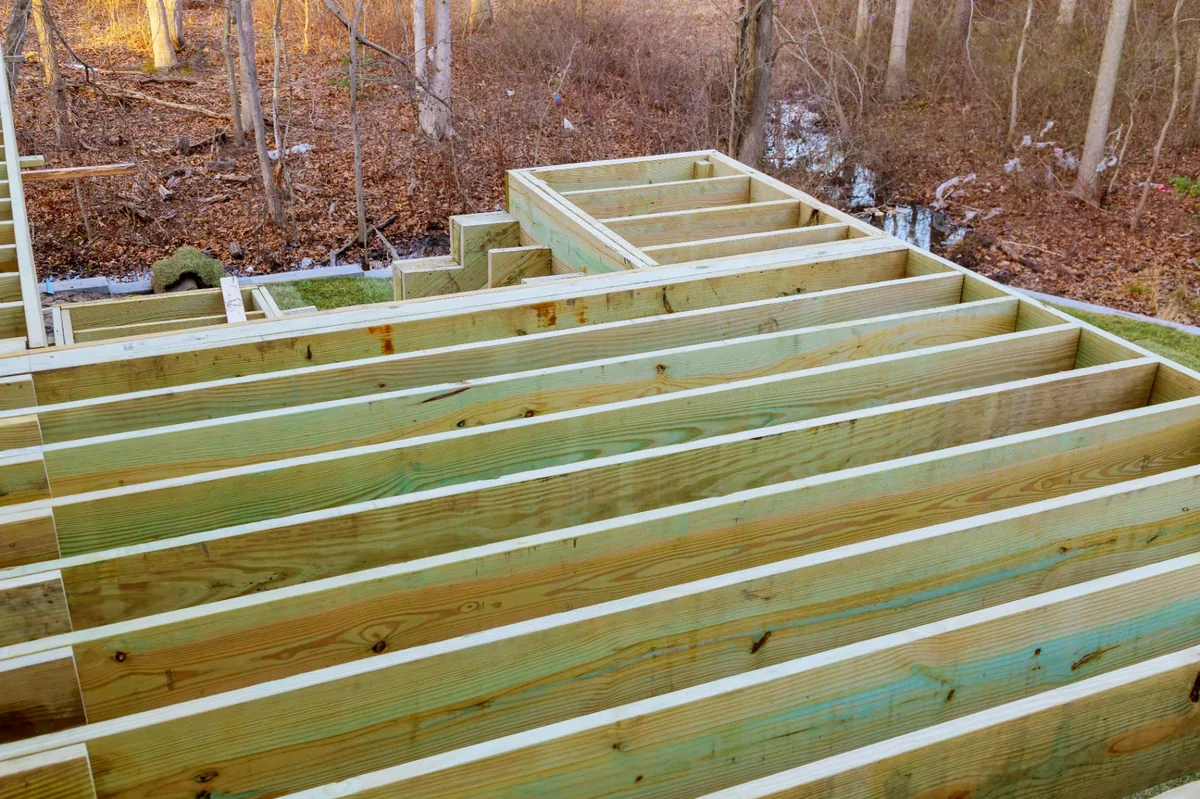
1) Deck Size and Footprint
Square footage drives nearly everything: material quantities, footing count, labor hours, and permit requirements. Changing the size later is rarely a simple add-on. it usually forces a redesign.
Change cost later: Very high
2) Structural System
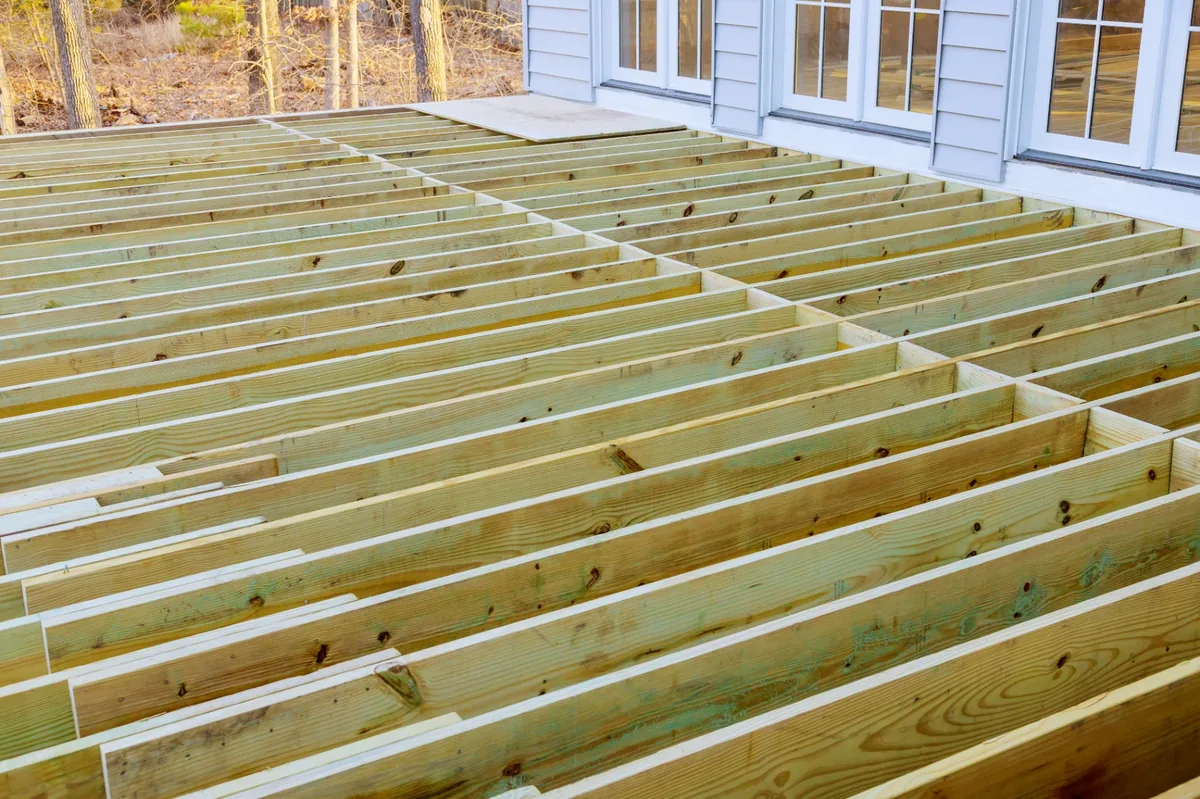
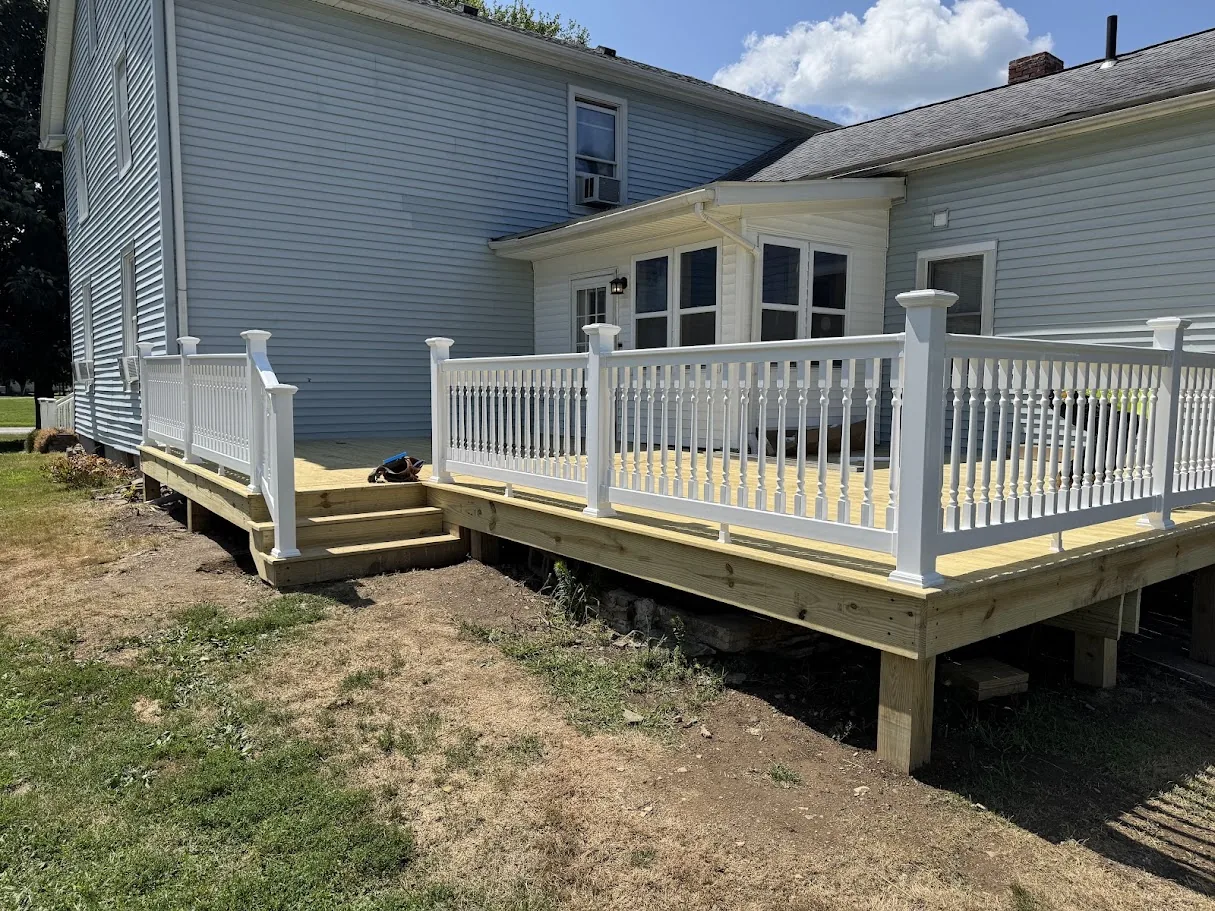
This is the budget backbone: joist size and spacing, beam layout, post locations, footing depth, and whether the deck is ledger-attached or freestanding. These choices lock in lumber volume, concrete, hardware packages, and inspection outcomes.
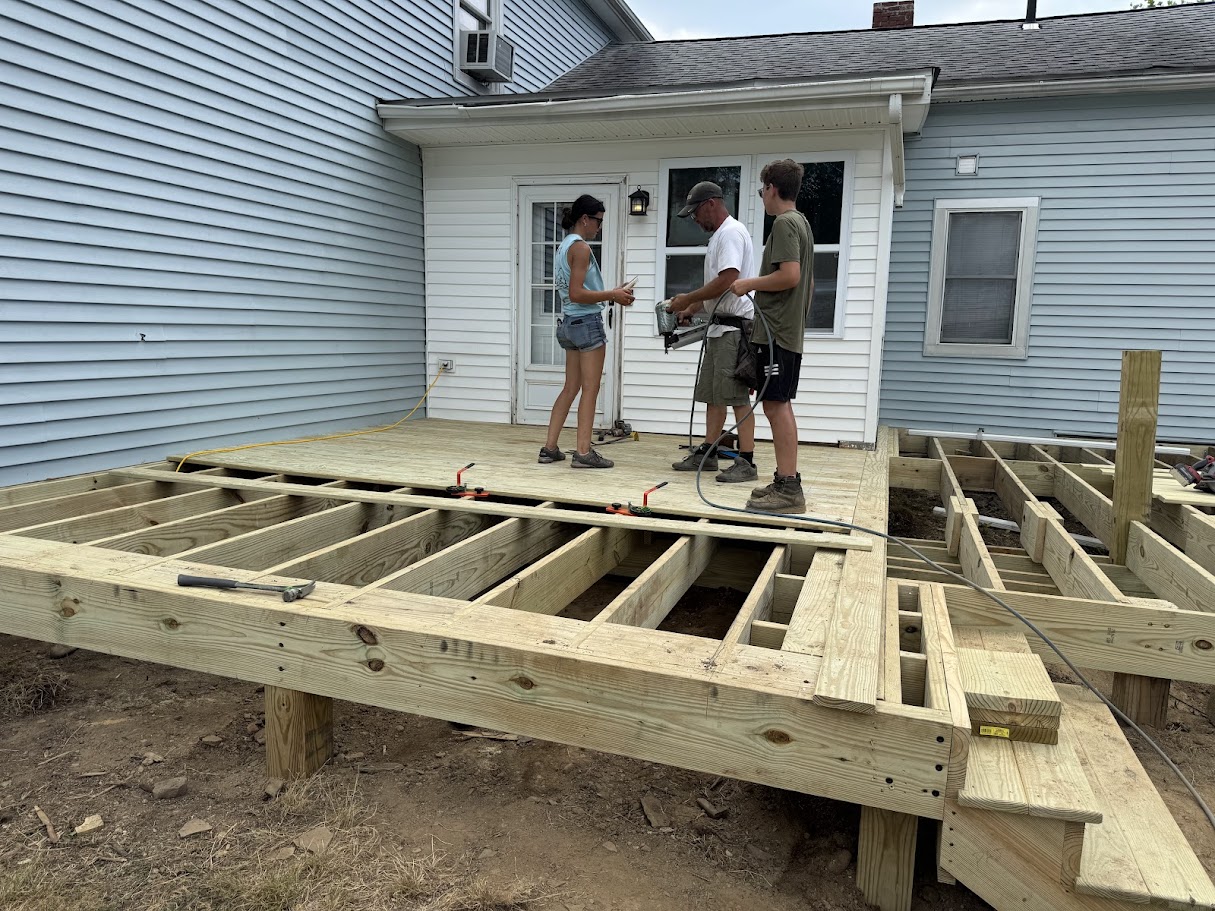
Change cost later: Extremely high
3) Elevation and Stairs
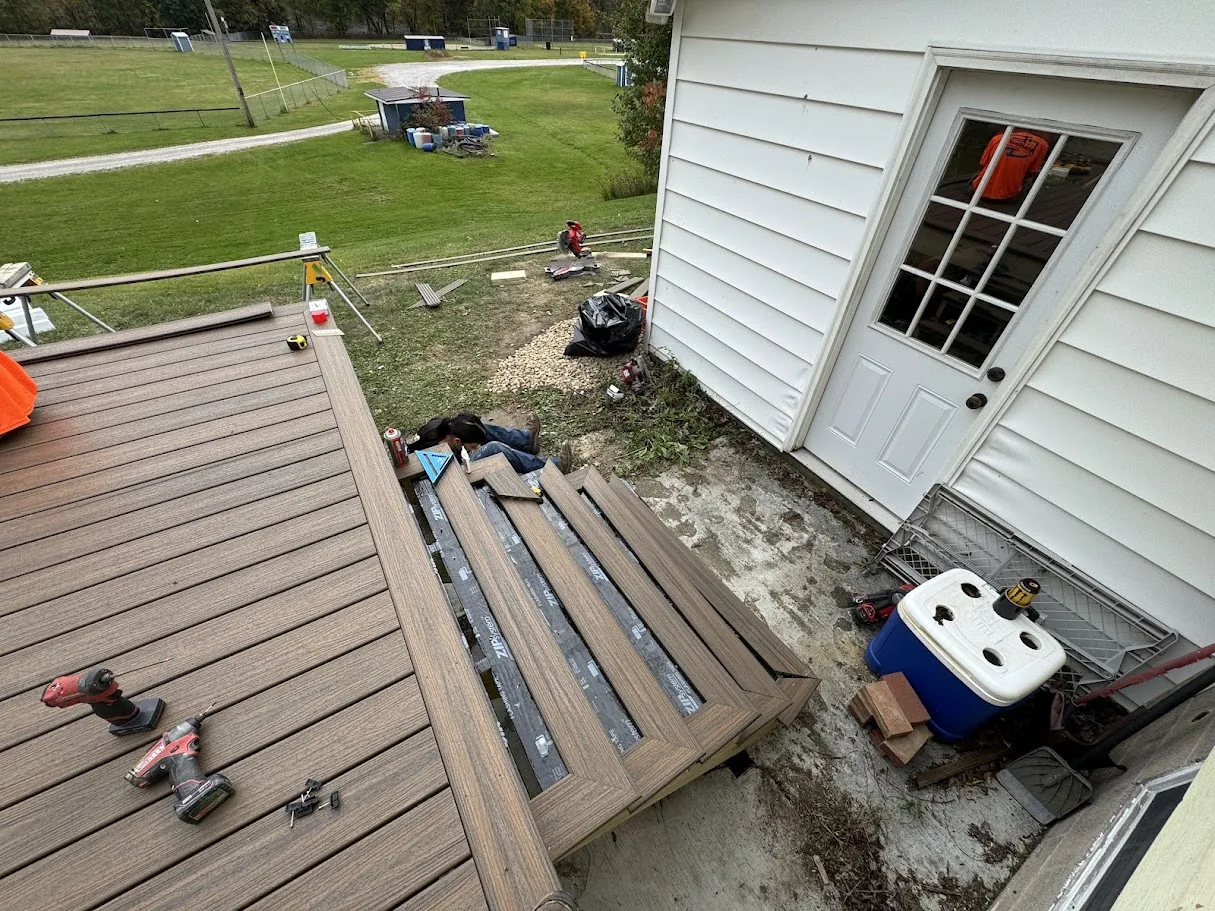
Stairs are labor-dense and hardware-heavy. Step count, width, landings, and guard/handrail requirements are cost multipliers. Late stair changes are one of the fastest ways to create a surprise.
Change cost later: High
4) Permitting and Code Strategy
Code requirements are cheapest to solve on paper and most expensive after framing. Getting the structure right protects your schedule, prevents rework, and keeps inspection day boring. in a good way.
Structural Decisions = Budget Stability
Structure isn't the exciting part of a deck, but it's the part that protects your budget. A well-planned structure reduces change orders, prevents inspection delays, and gives you flexibility on finishes.
PRO TIP: Once footings are poured and framing is set, the expensive decisions are locked. Get these right first.
Choices That Feel Optional (But Aren't)
Decking Material
Composite vs treated lumber isn't just a look. It can change joist spacing, fastening systems, waste factors, and labor time. Material selection reshapes the build.
Railing System
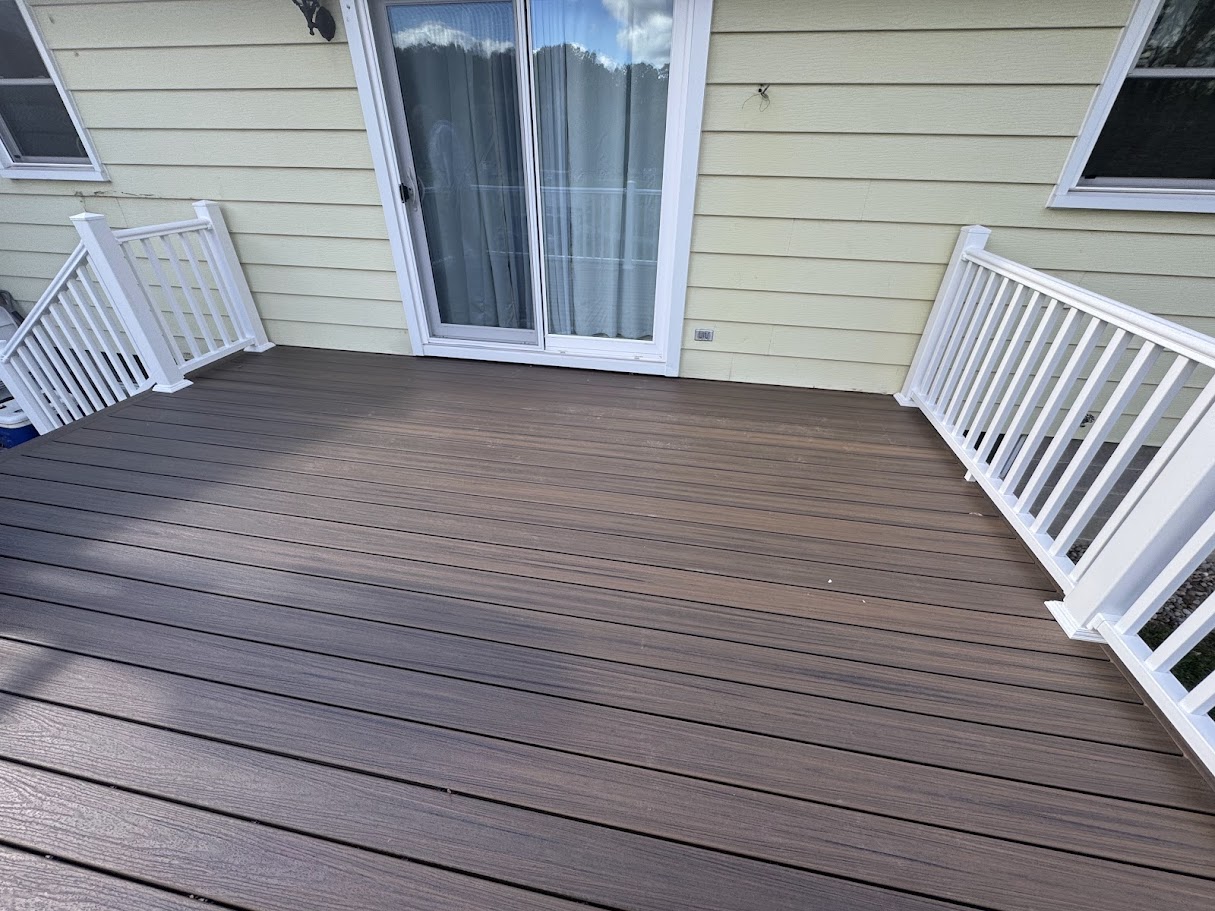
Railings often represent 20 to 35% of total deck cost. Post placement and mounting style must be planned early because they tie into framing and code requirements.
Decisions That Can Wait. If You Plan Correctly
When the structure is designed properly, these decisions can safely stay flexible:
Best practice: Frame for options early. Decide on finishes when you're ready. That's how you keep control without rushing decisions.
The Change Order Reality
It's usually not the change that's expensive, it's when the change happens.
| When a Change Is Made | Typical Cost Impact |
|---|---|
| During design | $0 to $500 |
| During framing | $1,500 to $4,000 |
| After inspection | $3,000 to $8,000+ |
Late changes trigger rework, schedule disruption, and material waste. Early changes are mostly planning time. The same change can cost $0 or $5,000 depending on timing.
How to Budget Like a Pro
Good budgeting isn't about locking every finish early. It's about locking the irreversible decisions early, and keeping the cosmetic decisions flexible.
Ask yourself: "What happens to my budget if I change this later?" If the answer involves tearing out work, that decision needs to happen now.
The Right Question to Ask Your Builder
"Which decisions protect my budget if I change my mind later?"
If your builder can answer that clearly, you're dealing with a planning-first process. not a guess-and-correct process.
Want Fewer Surprises?
Start with structure decisions and a clear scope, then keep finish choices flexible. That's the cleanest way to control cost and timeline.
📞 Call (440) 224-4121 or get an estimate online.
Related Services
Planning a project in Ashtabula County? Explore the services tied to this article.
Ready to Get Started?
Get a free, no-obligation estimate for your project. We'll discuss your vision, timeline, and budget, then show you exactly what's possible.